2026 How to Choose the Right Overhead Coiling Door for Your Business?
Choosing the right overhead coiling door for your business is a pivotal decision. These doors play a critical role in optimizing both security and functionality. According to a report by MarketsandMarkets, the global industrial doors market is projected to reach $25 billion by 2026, highlighting the growing importance of effective door solutions in many industries.
Overhead coiling doors are available in various materials and designs. The selection often depends on factors like space constraints, security needs, and durability. For instance, a recent survey found that 72% of businesses prioritize energy efficiency in their door choices. However, balancing cost with quality can be challenging. Many companies may underspend upfront, leading to higher long-term maintenance costs.
Recognizing these nuances is essential for making an informed choice. Understanding specific business requirements will help narrow down options effectively. Ultimately, the right overhead coiling door enhances safety and efficiency—shaping the long-term success of operations.
Choosing the Right Material for Overhead Coiling Doors in Commercial Settings
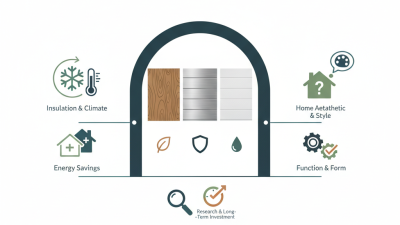
Choosing the right material for overhead coiling doors in commercial settings is crucial. Different materials affect durability, thermal performance, and security.
Steel doors offer strength and resistance to impact.
According to the 2022 Door and Access Systems Manufacturers Association report, steel doors are the most commonly used due to their robustness.
Aluminum doors are another viable option. They are lightweight and resistant to corrosion. An industry survey indicated that nearly 30% of businesses prefer aluminum due to its aesthetic appeal and ease of maintenance. However, they may not provide the same level of insulation as steel. This can impact energy costs, especially in temperature-sensitive environments.
For specialized needs, fiberglass doors provide a solution. They resist dings and scratches but can be prone to fading. Businesses that prioritize appearance might consider this option. However, their installation may require more attention. Choosing the right material involves weighing costs, benefits, and potential drawbacks. Each option has unique characteristics, making it essential to assess the specific needs of your business before making a decision.
Assessing the Security Features of Overhead Coiling Doors for Businesses
When selecting an overhead coiling door for your business, security should be a top priority. According to a report from the Security Industry Association, businesses that invest in high-quality security features can reduce theft by up to 50%. Overhead coiling doors often provide enhanced security through their robust design and materials. These doors are typically made from steel or aluminum, offering significant resistance to forced entry.
Additionally, a recent survey found that 65% of businesses prioritize security features when choosing industrial doors. Advanced options like integrated locking systems and impact-resistant designs are increasingly popular. Opting for a door with these features can greatly enhance a business's safety profile.
However, not all doors are created equal. Some may lack adequate sealing mechanisms, allowing unauthorized access. It's essential to examine the durability of the door's materials and the effectiveness of its locking systems. While many products on the market claim to be secure, thorough research can reveal discrepancies. Always review product specifications and consider consulting professionals for insight.
Balancing cost and security is crucial, as cheaper options may lead to vulnerabilities. Investing wisely will secure your assets and improve peace of mind.
Evaluating Insulation and Energy Efficiency in Overhead Coiling Doors
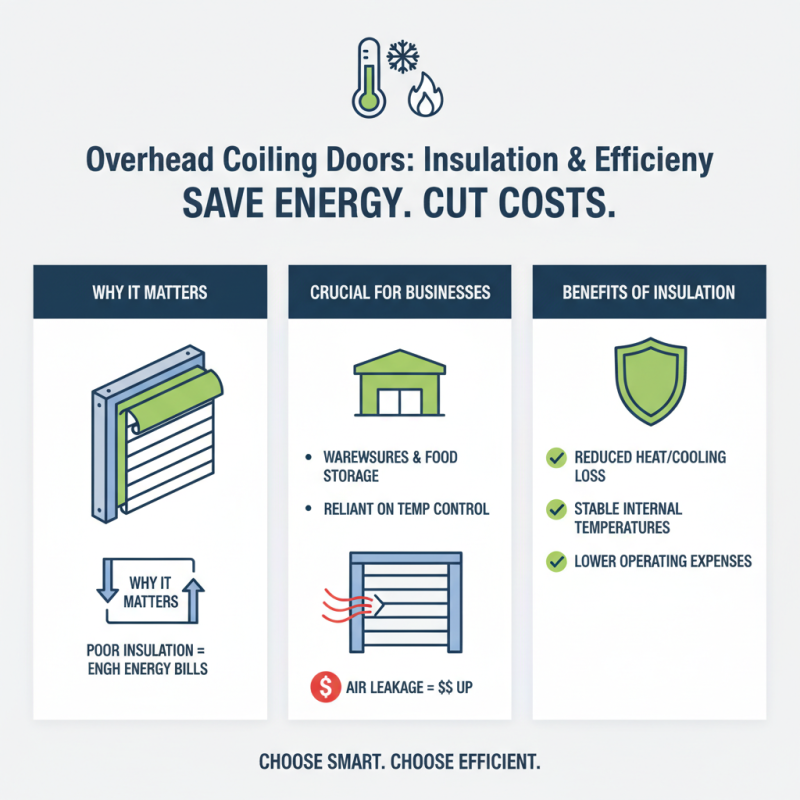
When selecting overhead coiling doors, insulation and energy efficiency are crucial factors. Poor insulation can lead to significant energy loss. This is especially important in businesses that rely heavily on temperature control, like warehouses or food storage. If the doors allow air leakage, your energy costs can skyrocket.
Look for doors with multiple layers of insulation. Solid materials can provide better thermal performance. Check the R-value, which measures insulation effectiveness. Doors with higher R-values offer better energy efficiency. This not only lowers energy bills but also reduces your carbon footprint.
Consider the door's operation speed and seal design too. A good seal will minimize unwanted air exchange. However, quick operation might compromise this, leading to potential inefficiencies. A balance is required. Reflect on your specific needs. What works for one business may not suit another. Take time to evaluate the options available to ensure optimal selection.
Understanding the Impact of Door Size and Customization on Functionality
When selecting an overhead coiling door, size and customization are pivotal. An appropriate door size ensures smooth operations. According to a recent report by the American Association of Doors and Entrances, up to 40% of operational issues stem from improperly sized doors. An ill-fitting door can lead to inefficiencies, affecting daily workflow and overall safety.
Customization options also significantly impact functionality. For instance, insulated doors can enhance energy efficiency. A study by the International Door Association indicates that businesses using insulated doors report a 30% reduction in energy costs. However, customization can introduce complexities. It requires a careful balance between operational needs and budget constraints. Businesses must rigorously assess factors such as door weight, frequency of use, and security requirements.
Choosing the right door involves weighing various variables. Flexibility in design may lead to higher upfront costs but can yield long-term savings. Understand that not every customization will lead to immediate benefits. Thoughtful consideration of size and features can elevate operational efficiency, but the decision must align with specific business needs.
2026 How to Choose the Right Overhead Coiling Door for Your Business?
| Dimension |
Description |
Customization Options |
Impact on Functionality |
| Height |
Standard heights range from 8 to 20 feet. |
Custom heights available to suit specific needs. |
Affects the clearance for vehicles and equipment. |
| Width |
Standard widths from 6 to 24 feet. |
Custom widths to handle larger openings. |
Influences the flow of traffic and access for machinery. |
| Material |
Common materials include steel, aluminum, and vinyl. |
Paint or finish options available for customization. |
Affects durability, insulation, and appearance. |
| Insulation |
Options range from non-insulated to insulated doors. |
Custom insulation levels based on climate needs. |
Directly impacts energy efficiency and comfort. |
| Style |
Available in various styles, including rolling and folding. |
Custom designs and finishes for branding. |
Affects aesthetics and workflow efficiency. |
Maintenance Best Practices for Overhead Coiling Doors in Industries
When it comes to overhead coiling doors, maintenance is vital for longevity and safety. Regular inspections can catch minor issues before they escalate. Check the door’s tracks, springs, and motors for wear and tear. Look for rust or corrosion, which can compromise functionality. Clean the components periodically to prevent dirt buildup.
Lubrication is another key aspect. Ensure that moving parts are well-lubricated to promote smooth operation. However, avoid over-lubrication, which can attract dirt. It’s essential to use the recommended lubricant type. Record each maintenance session to create a reliable history. This documentation can be invaluable for troubleshooting or when discussing issues with professionals.
In some cases, businesses may overlook the importance of timely repairs. Delaying attention to a malfunctioning door can lead to bigger problems. If an issue arises, consult a qualified technician. They bring expertise and knowledge that can help resolve complex situations. Regular training for staff on proper usage and basic troubleshooting can also mitigate risks. Emphasizing awareness can improve safety and efficiency in operations.
Overhead Coiling Door Maintenance Best Practices