How to Choose the Best Overland Garage Door for Your Home?
When selecting the right overland garage door for your home, the task can feel overwhelming. Renowned expert in home design, James Anderson, emphasizes the importance of this choice. He states, "A garage door should not only secure your home but also complement its aesthetic."
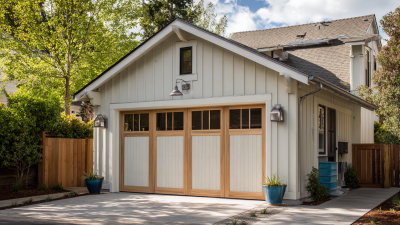
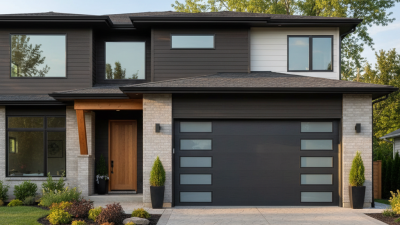
Overland garage doors come in various styles and materials. Homeowners often overlook these details. A door that fits well enhances overall curb appeal. It’s essential to consider your home’s architecture. Modern, rustic, or traditional—each style offers unique features. Think about weather resistance and durability. These elements guarantee long-lasting performance, especially in different climates.
Furthermore, many people underestimate the impact of insulation. An insulated overland garage door improves energy efficiency. It can also reduce noise from outside. Reflect on these factors while making your choice. This decision affects more than security; it shapes your home's first impression.
Factors to Consider When Selecting Overland Garage Doors for Your Home
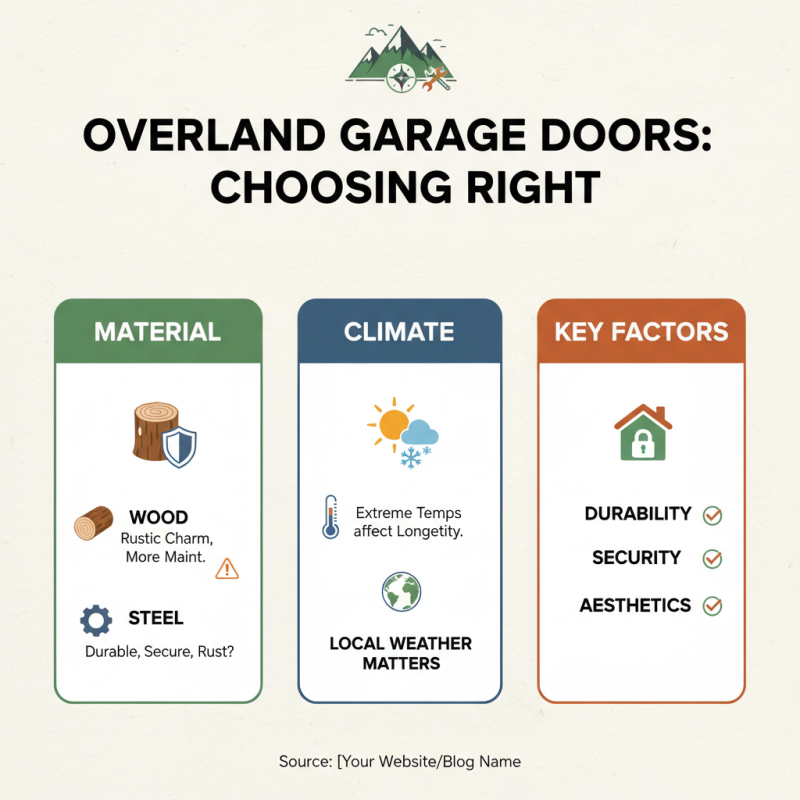
Choosing the right overland garage door is crucial for any homeowner. One key factor to consider is the material. Wooden doors give a rustic charm, but they may require more maintenance. Steel doors are durable and secure, but they can be prone to rust over time. Think about the local weather too. Extreme temperatures can affect the longevity of your door.
Another important aspect is insulation. An insulated garage door can help regulate the temperature inside your garage, especially if you use the space for work or hobbies. Look for doors with good R-values for better energy efficiency. Aesthetics matter, too. Consider how the door will look with your home’s exterior. The right color and design can enhance curb appeal.
Don’t forget about security features. A door equipped with a reliable locking system can deter theft. Incorporating smart technology can add convenience. However, be wary of overly complex systems. They might fail when you need them the most. Think about your lifestyle when choosing the door. Do you frequently use your garage entry? Choose accordingly.
Understanding Different Types of Overland Garage Doors and Their Benefits
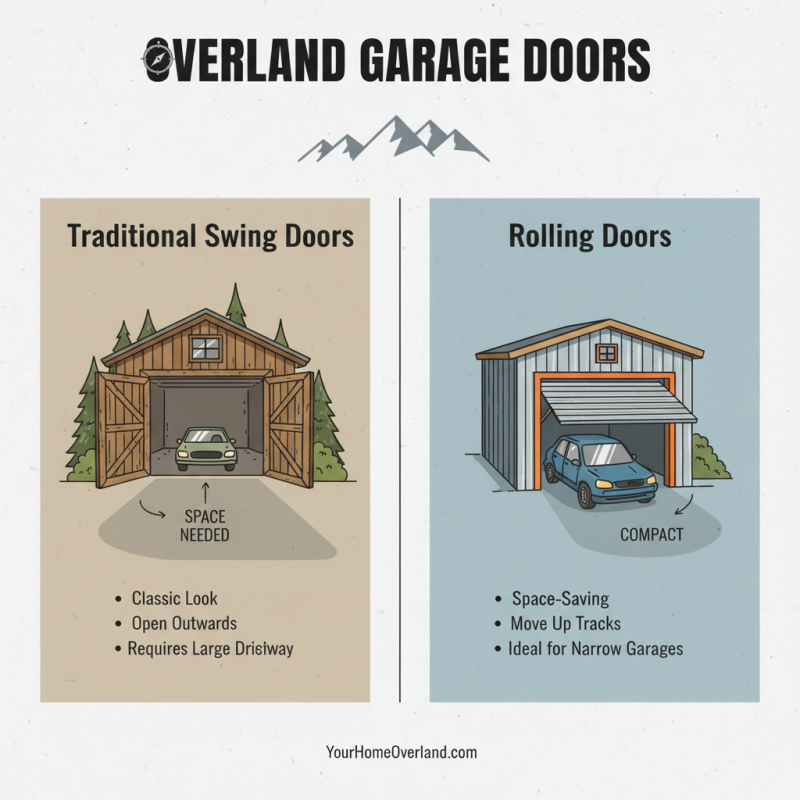
Choosing the right overland garage door for your home is crucial. There are several types, each with unique benefits. Traditional swing doors provide classic aesthetics. They open outwards and require ample driveway space. Rolling doors save space and are ideal for narrower garages. They move up along tracks, making them convenient for small areas.
When considering the material, wooden doors offer beauty but require regular maintenance. Metal doors are durable and resistant to weather. However, they can dent easily. Fiberglass options combine aesthetics with low maintenance. Think about insulation too. A well-insulated door improves energy efficiency but may cost more.
**Tips**: Measure your garage's dimensions carefully. Always check local climate conditions, as they can affect door performance. Consider hiring a professional for installation to ensure it functions properly. Don’t rush; it’s essential to reflect on which type suits your needs best. A hasty choice may lead to regrets down the line.
Key Material Comparisons: Steel vs. Wood vs. Aluminum Overland Doors
When selecting an overland garage door, material plays a crucial role.
Steel doors offer strength and durability. They resist dents and provide decent insulation.
However, they can rust if not coated properly. The maintenance of steel doors can be a hassle in humid climates.
Wood doors boast aesthetic appeal. They can be customized easily to match your home’s design.
Yet, wood requires regular maintenance. Rot and insect damage are concerns. If not treated well, they might not last as long as steel.
Aluminum doors are lightweight and resistant to rust. This can be a significant advantage for prolonged use.
They are less robust than steel but can handle impacts reasonably well. On the downside, aluminum may be less energy-efficient than wood or insulated steel.
It's essential to weigh these factors carefully. Choosing the wrong type can lead to unexpected repairs or early replacements.
Energy Efficiency Ratings of Overland Garage Doors: What You Need to Know
When choosing an overland garage door, energy efficiency is crucial. Overland garage doors can significantly impact your home’s energy consumption. A well-insulated garage door helps maintain a consistent temperature inside. According to the Department of Energy, a properly insulated garage door can reduce heating costs by up to 20%. This is vital in regions with extreme weather.
Understanding the energy efficiency ratings is essential. Look for doors with a high R-value. The R-value measures thermal resistance. For example, an R-value of 10 or more is desirable for colder climates. An insulated door not only saves energy but also minimizes noise.
Don’t overlook the need for proper installation. Even the best doors can underperform if not installed correctly. Gaps and poor alignment can lead to drafts. Also, consider the material. Steel doors offer durability but may have lower insulation properties than wood. It’s important to weigh these factors during your selection process. Energy efficiency should be a primary focus, but it requires thoughtful consideration.
How to Choose the Best Overland Garage Door for Your Home? - Energy Efficiency Ratings of Overland Garage Doors: What You Need to Know
| Door Type |
R-value (Energy Efficiency) |
Material |
Insulation Type |
Cost (USD) |
| Single Layer Steel |
5.0 |
Steel |
None |
$800 |
| Double Layer Steel |
10.0 |
Steel |
Polystyrene |
$1,200 |
| Insulated Steel |
14.0 |
Steel |
Polyurethane |
$1,500 |
| Wood Garage Door |
8.0 |
Wood |
None |
$2,000 |
| Composite Garage Door |
12.0 |
Composite |
Polystyrene |
$1,800 |
Maintenance Tips to Extend the Life of Your Overland Garage Door
Maintaining your overland garage door is essential for prolonging its lifespan. Regular inspections can reveal issues before they escalate.
According to the Garage Door Manufacturers Association, improper maintenance can shorten a door's life span by 30%.
Simple steps can make a significant difference.
Lubrication is vital. Every few months, apply a quality lubricant to rollers and hinges. This helps them move smoothly. It can prevent rust and wear.
Also, check the weather stripping. Damaged seals can lead to energy loss. In fact, a report from the U.S. Department of Energy shows that proper sealing can improve energy efficiency by up to 15%.
Be aware of odd sounds. A creaking noise often indicates a problem. Tension springs may need adjustment. Don’t ignore signs of wear and tear.
Cracks or dents can weaken the structure. Remember, neglect often leads to costly repairs. Taking small actions now can save you trouble later.