How to Order a Garage Door That Fits Your Home Needs?
When you decide to order a garage door, it’s essential to consider various factors. John Smith, a garage door expert with over 15 years in the industry, emphasizes, “Choosing the right door is not just about aesthetics.” This choice impacts functionality, security, and energy efficiency.
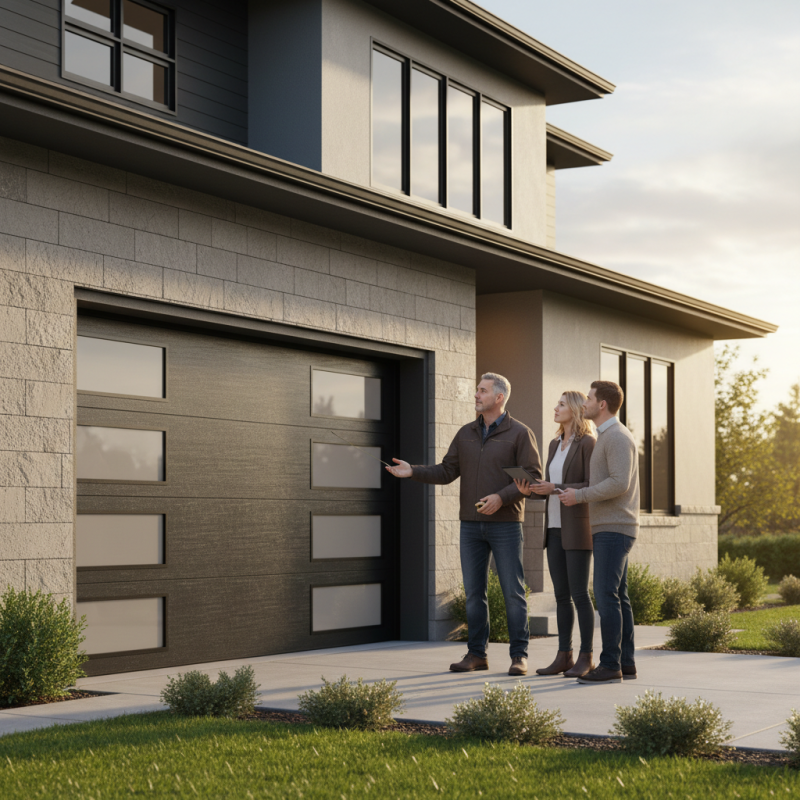
Many homeowners overlook the sizing and style that best fits their home. A well-fitted garage door can enhance curb appeal dramatically. However, measuring space can sometimes lead to errors. Ignoring this step may result in costly adjustments later.
The available materials also pose a challenge. Wooden doors offer elegance, while steel provides strength. Some even consider insulated doors for energy savings. Each option has different implications for maintenance and price. Reflecting on your needs carefully can guide you to make the best decision when you order a garage door.
Identifying Your Garage Door Needs and Preferences
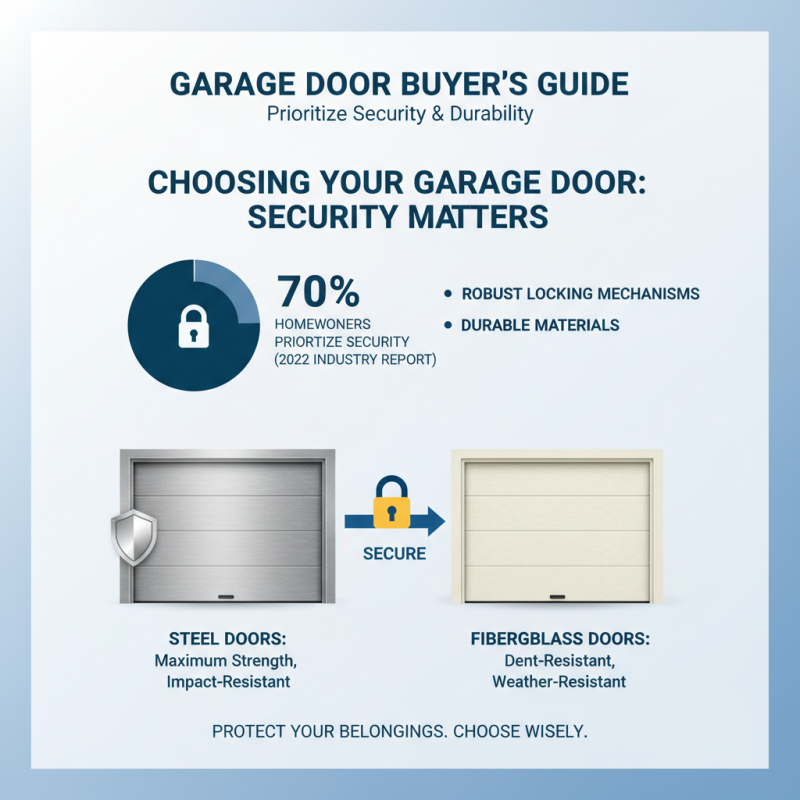
When choosing a garage door, understanding your specific needs is crucial. According to a 2022 industry report, 70% of homeowners prioritize security features. This highlights the importance of selecting doors with robust locking mechanisms and durable materials. If securing your belongings is essential, you may prefer steel or fiberglass options.
Many homeowners overlook aesthetics. A 2021 survey revealed that garage doors significantly impact curb appeal. Your choice of color, design, and style should complement your home’s exterior. Think about matching or contrasting with your house's palette. However, many consumers often settle for generic designs, missing the chance to personalize their spaces.
Don't ignore functionality. Consider how often the garage is used. A report showed that 40% of homeowners use their garage as a primary entry point. This means you need a door that opens efficiently and operates quietly. Lastly, review energy efficiency; poorly insulated doors can lead to rising energy bills. Aim for models rated with higher insulation values. These are all areas needing reflection in your selection process.
Measuring Your Garage Opening for Accurate Sizing
When ordering a garage door, accurate measurements are crucial. An improperly sized door can lead to functionality issues and increased energy costs. According to industry reports, about 30% of homeowners choose the wrong size for their garage doors, which can create problems in insulation and operation. To avoid this, precise measuring of your garage opening is essential.
Start by measuring the width and height of your garage opening. Use a tape measure for better accuracy. Make sure to measure at three different points: the top, middle, and bottom for width, and at the left, middle, and right for height. This ensures you account for any irregularities in the structure, which are common in older homes. A small discrepancy can result in a door that doesn't fit well, leading to air leaks or operational difficulties.
Remember to factor in the door's style and insulation needs as well. Garage doors come in various materials, each affecting cost and durability. A report from the International Association of Garage Door Manufacturers indicates that insulated doors can reduce energy loss by up to 30%. Choose wisely, as the wrong door can undermine your efforts in energy efficiency. Be aware that even minor measurement errors can lead to significant setbacks. Make corrections if necessary before placing your order.
Choosing the Right Material for Your Garage Door
When selecting the right material for your garage door, it's essential to consider durability, maintenance, and aesthetics. Research shows that steel is one of the most popular choices, accounting for over 60% of the market. It's sturdy and provides security.
However, it can be prone to rust if not properly treated. Wood offers great insulation and can enhance home appeal, but it requires regular maintenance to prevent decay. Fiberglass is lightweight and resistant to dents, but it can fade over time and is not as strong as steel.
Tips: Consider the climate in your area. In regions with harsh weather, a reinforced steel door may be your best option. Budget is another factor. While wood doors add charm, their initial cost may be higher. A steel door may be more economical over time due to its low maintenance.
These choices can impact energy efficiency as well. According to industry studies, insulated garage doors can reduce energy loss by up to 15%. This reduction can lead to lower energy bills. Remember, a garage door isn't just a barrier; it's part of your home's face. Take the time to choose wisely.
Deciding on Styles and Designs that Complement Your Home
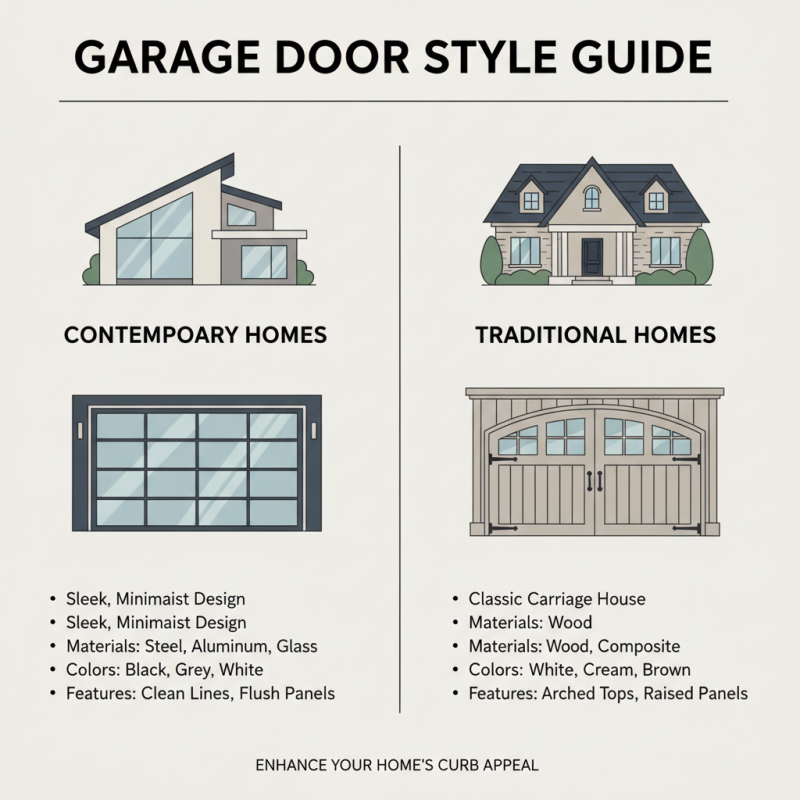
Choosing the right garage door style is essential for your home's aesthetic. A well-designed door enhances curb appeal and adds character. Different architectural styles call for specific designs. For instance, a contemporary home may benefit from a sleek, minimalist door, while traditional homes often look best with classic carriage house styles.
Color is another crucial factor. Neutral tones can blend nicely, while bold colors can create a statement. However, it’s vital to consider the neighborhood’s overall look. You want your garage door to stand out, but not too much. Materials also matter. Wooden doors provide warmth but may require more maintenance. Steel options offer durability, yet they can look too industrial if not chosen carefully.
Functionality should not be overlooked. A door’s design should accommodate your daily needs. It should open smoothly and fit seamlessly with your home’s layout. If it doesn't work properly, it can lead to frustration over time. Take your time to reflect on these aspects. A beautiful door is great, but practicality is key. A perfect blend of style and function is the winning combination for any home.
Understanding Installation and Maintenance Considerations
When ordering a garage door, installation and maintenance are crucial factors. Choosing a door isn’t just about style or color. You need to consider how well it fits your home's structure. A poor fit can lead to operational issues later. Many homeowners overlook this aspect, realizing too late that their door doesn’t seal properly.
Maintenance is another key element to think about. Regular checks are often neglected. Lubricating hinges and rollers can prevent loud noises and reduce wear. Some people wait until there’s a problem. This reactive approach can be costly. Every few months, give your door a good look. Look for signs of wear. Notice any gaps or strange sounds? Address them early.
Installation also varies by type. Manual doors require physical effort, while automatic ones provide convenience. Yet, automatic doors often face more issues. Understanding the type of door you choose can save headaches down the line. You might desire a low-maintenance option but end up with a complicated system. Don’t ignore the necessity of proper installation. If it’s done poorly, it can lead to unexpected repair costs.
How to Order a Garage Door That Fits Your Home Needs? - Understanding Installation and Maintenance Considerations
| Dimension |
Description |
Recommendation |
| Width |
Common widths range from 8' to 16' |
Measure the vehicle width and add extra clearance |
| Height |
Standard heights are 7' and 8' |
Consider the height of the largest vehicle |
| Material |
Common materials include steel, aluminum, and wood |
Choose based on durability and maintenance |
| Insulation |
Options include non-insulated, insulated, or high R-value doors |
Consider insulation for temperature control |
| Style |
Various styles include traditional, carriage house, or modern |
Select a style that complements your home’s design |
| Operation |
Manual or automated systems |
Consider automatic doors for convenience |
| Maintenance |
Regular checks on springs, tracks, and sensors |
Schedule annual maintenance to ensure longevity |