Choosing the right house garage door affects security, comfort, appearance, and daily convenience. It also influences how your home handles wind, rain, heat, and street noise. A good choice begins with your garage opening, not a showroom photograph.
Measure the width, height, headroom, side clearance, and ceiling space carefully. A few missing centimeters can make installation difficult. Consider your local climate, too. Insulated steel may suit cold regions, while corrosion-resistant materials help near the coast. Wood offers warmth and character, but it needs regular sealing. Aluminum is lighter, yet it may dent more easily.
Think beyond color.
The opening style matters. Sectional doors save driveway space, while swing-out designs need clear movement in front. Automatic openers should match the door’s weight and lifting system. Look for tested safety features, including obstacle reversal and manual release access. Manufacturer instructions and qualified installers provide more reliable guidance than online comments alone.
Cost deserves a wider view. The cheapest door may require earlier repairs, weaker insulation, or frequent repainting. However, the most expensive model is not automatically the best fit. I have seen homeowners prioritize appearance and overlook headroom, maintenance, or opener compatibility. That mistake is easy to repeat. A careful comparison of materials, warranties, energy performance, security features, and installation quality creates a stronger decision. This guide will help you question attractive claims, check practical details, and select a house garage door that works well beyond its first impressive photograph.
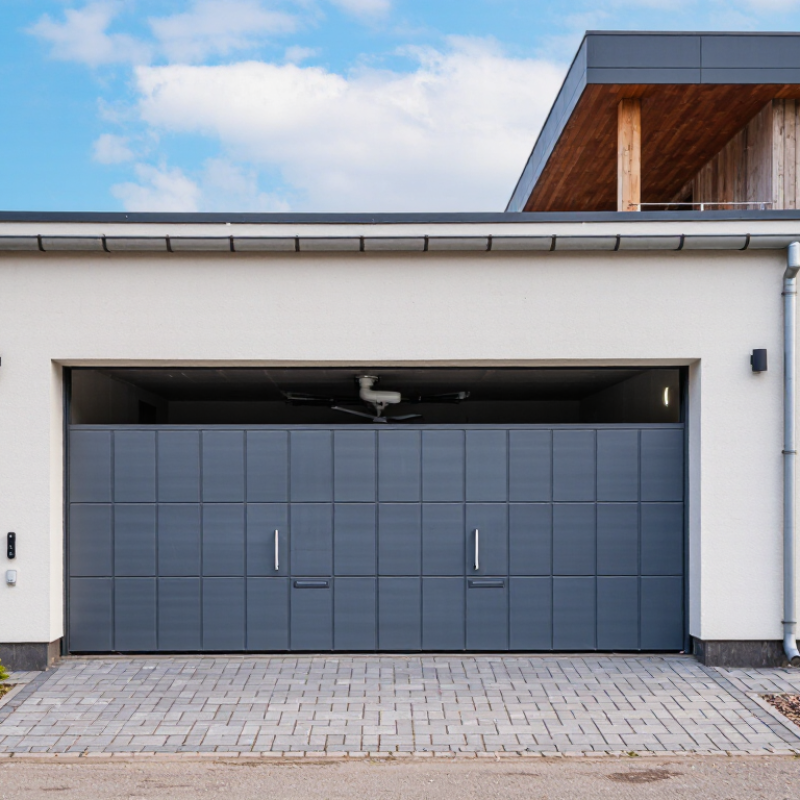
Choosing the right house garage door begins with understanding how you use the space. Measure the opening width and height, then check headroom, sideroom, and garage depth. A tape measure helps, but record each measurement twice. I once measured only the visible opening and overlooked a low ceiling beam. That mistake changed the installation plan.
Think about your daily needs. A family car may require a wider opening than a compact vehicle. Storage shelves, bicycles, and workbenches also need clearance beside or behind the door. If the garage connects directly to your home, quieter operation and better insulation may matter. In colder or hotter climates, an insulated door can reduce temperature changes. However, insulation adds weight, so the supporting hardware must match the door’s specifications.
Check the driveway slope and the available space outside. The door must open without striking a vehicle, light fixture, or roof rack. Inside, confirm that tracks will not block cabinets or overhead storage. Local building requirements may affect wind resistance, safety sensors, and installation methods. A qualified installer can identify structural problems that measurements miss. Do not guess here.
Your choice should also reflect frequency of use. Daily operation demands durable components and reliable safety features. Occasional use may allow a simpler design. I would still leave extra clearance where possible. Plans change, and garages rarely stay empty for long.
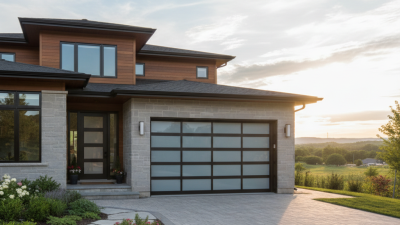
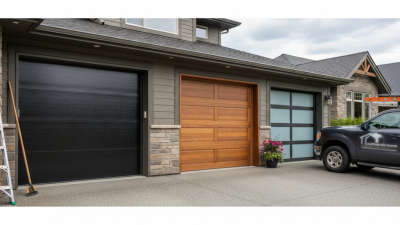
A garage door should match your home’s structure, weather, and daily use. Steel offers strong security and low maintenance, while aluminum feels lighter and resists rust. Wood creates warmth and character, but it needs regular sealing to prevent swelling and cracks. Fiberglass can imitate wood with less upkeep, although damaged panels may be difficult to repair. Material choice is rarely just about appearance.
Style changes both curb appeal and practical performance. Raised-panel doors suit many traditional homes and hide minor dents well. Flush-panel designs create a clean, modern surface with fewer visual details.
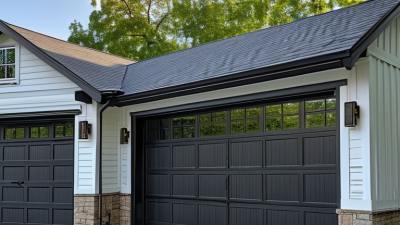
Carriage-style doors add historic charm, but their decorative hardware can require careful cleaning. Full-view doors use glass panels and bring daylight inside. They may reduce privacy and demand stronger insulation.
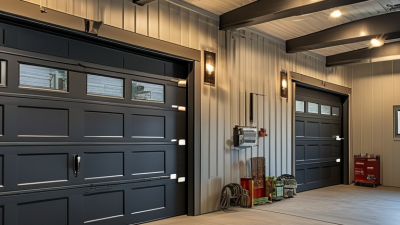
During a garage inspection, measure the opening, check ceiling space, and observe afternoon sunlight. A dark door can absorb heat quickly. Insulated panels feel more stable in changing temperatures and can reduce noise.
Ask how often you will clean, repaint, or repair the door. The best design is attractive, dependable, and suited to your actual routine.
How to Choose the Right House Garage Door?
Insulation affects comfort, energy use, and everyday noise. A well-insulated door helps stabilize temperatures beside living spaces. Check the stated insulation value, not only the panel thickness. In cold climates, choose sealed sections and a durable bottom gasket. However, insulation alone is not enough. A poorly fitted door can still leak air around its edges. Feel for drafts on a windy day. Small gaps matter.
Security begins with strong construction and reliable locking points. Look for reinforced panels, protected tracks, and hardware that resists forced lifting. A door with a secure automatic opener should close completely and reverse when it detects an obstacle. Test this feature regularly. Do not ignore the emergency release. It must remain accessible during a power failure, but hidden from outside access. Local building requirements and professional installation deserve careful attention.
Tips: Compare the door’s wind rating with local conditions. Inspect seals after heavy rain. Salt air can corrode exposed metal quickly. Ask the installer about maintenance intervals and replacement parts. Weather resistance is often judged too late. I have seen attractive doors develop rust because drainage was overlooked. That is a useful reminder: appearance can hide weak protection. Choose tested materials, clear warranties, and an installer who explains limitations honestly.
Choosing the right garage-door opening mechanism starts with your daily routine. A chain-drive opener often suits heavier doors and frequent use. A belt-drive model usually runs more quietly, which matters beside bedrooms. Screw-drive systems can be simple, but temperature changes may affect their performance. Measure the door weight, balance, ceiling height, and available side space before choosing.
Safety deserves more attention than convenience. Industry safety summaries using U.S. Consumer Product Safety Commission NEISS data estimate about 20,000 garage-door-related injuries receive emergency treatment annually. Properly installed photoelectric sensors can stop a closing door when a person, pet, or bicycle crosses the opening. DASMA technical guidance also supports regular testing of auto-reverse functions and manual release systems. Look for equipment meeting current safety requirements, including UL 325 where applicable. Test the door monthly. A small failure matters.
Tips: Place a solid object beneath the closing door, then test whether it reverses immediately. Never rely only on a wall button or mobile control. Check cables, springs, and brackets for wear, but do not adjust high-tension parts yourself. I once underestimated how much vibration affects loose hardware. That was a useful reminder: quiet operation does not always mean safe operation. Ask a qualified installer to verify force settings, sensor alignment, and emergency release access. Reconsider the choice if the opener struggles, jerks, or stops unevenly.
| Opening Mechanism | How It Works | Typical Space Requirement | Best Suited For | Main Advantages | Limitations and Installation Considerations | Recommended Safety Features |
|---|---|---|---|---|---|---|
| Sectional Overhead Door | Multiple hinged panels move vertically and then slide along horizontal tracks above the vehicle. | Requires clear ceiling space for tracks and a suitable distance between the door opening and the ceiling. | Most standard residential garages, especially where driveway space is limited. | Good insulation potential, weather sealing, secure closure, and compatibility with automatic openers. | Tracks, springs, and rollers need periodic inspection. The ceiling must allow the door to travel without obstruction. | Photoelectric reversing sensors, automatic reverse force, pinch-resistant panel joints, emergency manual release, and spring containment. |
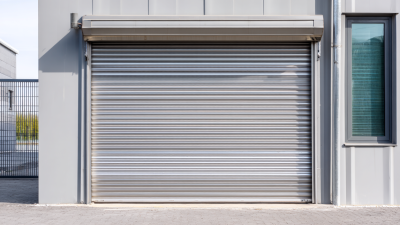
| Roller Garage Door | Interlocking slats roll into a compact housing above the opening. | Needs adequate space above the opening for the curtain and housing; side room is usually limited. | Garages with restricted driveway depth or homeowners who want to keep the ceiling mostly clear. | Compact operation, good space efficiency, and convenient automatic control. | Slat movement can be affected by dirt or misalignment. Insulation performance varies by slat construction. | Obstacle detection, safety edge, automatic stop and reverse, manual override, and secure locking when closed. |
| Swing-Out or Side-Hinged Door | One or two door leaves swing outward from side hinges. | Requires clear space in front of the garage and sufficient side-wall structure for hinges and stops. | Traditional homes, garages with limited ceiling height, or situations where a simple manual design is preferred. | Simple mechanism, easy pedestrian access, and minimal ceiling hardware. | Cannot open safely when a vehicle or object blocks the driveway. Wind can place stress on the leaves and hinges. | Hold-open devices, strong locking hardware, anti-lift hinges, finger-safe hinge protection, and clear opening-zone visibility. |
| Sliding or Side-Sliding Door | The door moves horizontally along a track beside the garage wall or folds into sections at the side. | Needs unobstructed side-wall length and floor or overhead track space. | Garages with low headroom or ceilings containing obstructions such as storage systems. | Keeps the ceiling open and can provide partial opening for pedestrian access. | Requires a clear side area. Tracks must remain clean and accurately aligned to avoid binding. | Obstacle sensors, pressure-sensitive edge protection, anti-drop hardware, manual release, and secure track covers. |
| Tilt-Up Canopy Door | A single rigid panel tilts upward and extends partly outside the garage before moving overhead. | Needs clear space above and in front of the garage during operation. | Older residential garages with suitable driveway clearance and a preference for a one-piece panel. | Simple appearance and relatively straightforward construction. | The door may project beyond the opening while moving, making it unsuitable for short driveways or busy walkways. | Automatic reverse, photoelectric sensors, robust counterbalance components, stop limits, and visible operating warnings. |
| High-Lift or Vertical-Lift System | A sectional door travels higher along vertical tracks before following a raised track path or continuing vertically. | Requires extra vertical wall height or clear space above the normal opening. | Garages with high ceilings, workshop areas, or applications needing more overhead vehicle clearance. | Maximizes usable space near the garage opening and can accommodate tall vehicles. | More complex track geometry and spring calculations require professional measurement and installation. | Photoelectric sensors, redundant lifting cables, spring containment, anti-drop protection, and correctly adjusted travel limits. |
| Safety Feature | Purpose | What to Check Before Choosing | Priority for Most Homes |
|---|---|---|---|
| Photoelectric Reversing Sensors | Detect a person, pet, or object in the closing path and signal the opener to stop and reverse. | Sensors should face each other, remain aligned, and be installed close to the floor according to applicable requirements. | Essential |
| Automatic Reversal by Force or Obstacle Detection | Stops or reverses the door when unusual resistance is detected during closing. | Ask whether the opener supports adjustable force limits and have the system tested after installation. | Essential |
| Manual Emergency Release | Allows the door to be operated manually during a power outage or opener failure. | Confirm that the release is accessible from inside and that the door can be safely balanced by hand. | Essential |
| Pinch-Resistant Panel Joints | Reduces the chance of fingers being trapped between moving door sections. | Inspect the panel design and keep children away from moving joints during operation. | Highly recommended |
| Spring and Cable Containment | Helps limit movement if a high-tension spring or lifting cable breaks. | Check whether the counterbalance system has containment or retention components suitable for the door design. | Highly recommended |
| Rolling-Code or Encrypted Remote Access | Reduces the risk of unauthorized access caused by replaying an old wireless signal. | Choose a current opener system with secure wireless communication and change default access credentials. | Recommended |
| Battery Backup | Provides limited operation during a power failure. | Check expected cycles, battery replacement requirements, and whether manual release remains available. | Useful where outages are frequent |
| Warning Labels and Audible/Visual Alerts | Warn users that the door is moving and identify important operating hazards. | Labels should remain readable, and lighting should illuminate the opening and surrounding floor area. | Recommended |
| Regular Balance and Reversal Testing | Confirms that the door remains balanced and that protective systems respond correctly. | Test the reversal function periodically and arrange professional service if the door feels heavy, noisy, or uneven. | Essential maintenance |
Choosing the right house garage door starts with a realistic budget, not a showroom color. Include the door, opener, tracks, weather seals, removal, labor, and possible electrical work. According to Zonda’s 2024 Cost vs. Value Report, a garage door replacement averaged $4,513 and returned about $8,751 in resale value, or 193.9 percent. Regional costs differ sharply. A coastal installation may need corrosion-resistant hardware, while a cold climate may justify an insulated door. I would keep a 10–15 percent contingency because old framing often hides unpleasant surprises.
Installation quality affects daily safety and long-term cost. Ask the contractor to verify opening dimensions, spring balance, photo-eye alignment, and manual release operation. The U.S. Department of Energy’s ENERGY STAR guidance reports that air sealing can reduce heating and cooling costs by 10–20 percent in many homes. A properly fitted bottom seal helps, though it will not transform an uninsulated garage into living space. That expectation matters.
Maintenance is simple, but easy to neglect. The Door and Access Systems Manufacturers Association recommends regular visual checks and monthly testing of the automatic reversal system. Wipe the tracks, inspect frayed cables, and lubricate approved moving parts sparingly. Do not adjust torsion springs yourself. I have seen owners delay a noisy roller until the opener fails. That “small” repair became a larger bill. Plan for professional inspection when movement becomes jerky, loud, or uneven.
Plan your budget, installation, and long-term maintenance by comparing the estimated 10-year ownership cost of common residential garage door materials. These figures are illustrative U.S. planning estimates and may vary by size, location, labor rates, insulation level, and repair needs.
Steel doors generally offer the lowest long-term cost, while wood and aluminum-and-glass doors typically require a larger initial investment. Set aside a maintenance reserve for inspections, hardware replacement, weather-seal renewal, and finish repairs.

Since 1984, Thermostop has been a reputable manufacturer of Industrial Sectional Doors, Cold Storage Doors and Specialty Doors such as Impactable Breakaway doors, Acoustic Doors and Ballistic Doors.
Contact